
Cargo reviewed under this service
Typical enquiries include doors, windows, cabinets, panels, sanitary ware, lighting, hardware, furniture components and other ordinary building or fit-out products. Acceptance depends on the material, product legality, final packing and route.
Products that are dangerous, prohibited, infringing or outside the selected route's handling limits are not accepted. Batteries, liquids, powders, chemicals, pressurized products and regulated materials need to be identified before any quote.
Why mixed building orders need one packing plan
A mixed order can combine long frames, glass, panels, hardware and heavy pieces. If every supplier packs independently, labels, lifting points and loading order can conflict. Consolidation gives the warehouse a chance to check dimensions, piece count and visible packing before loading.
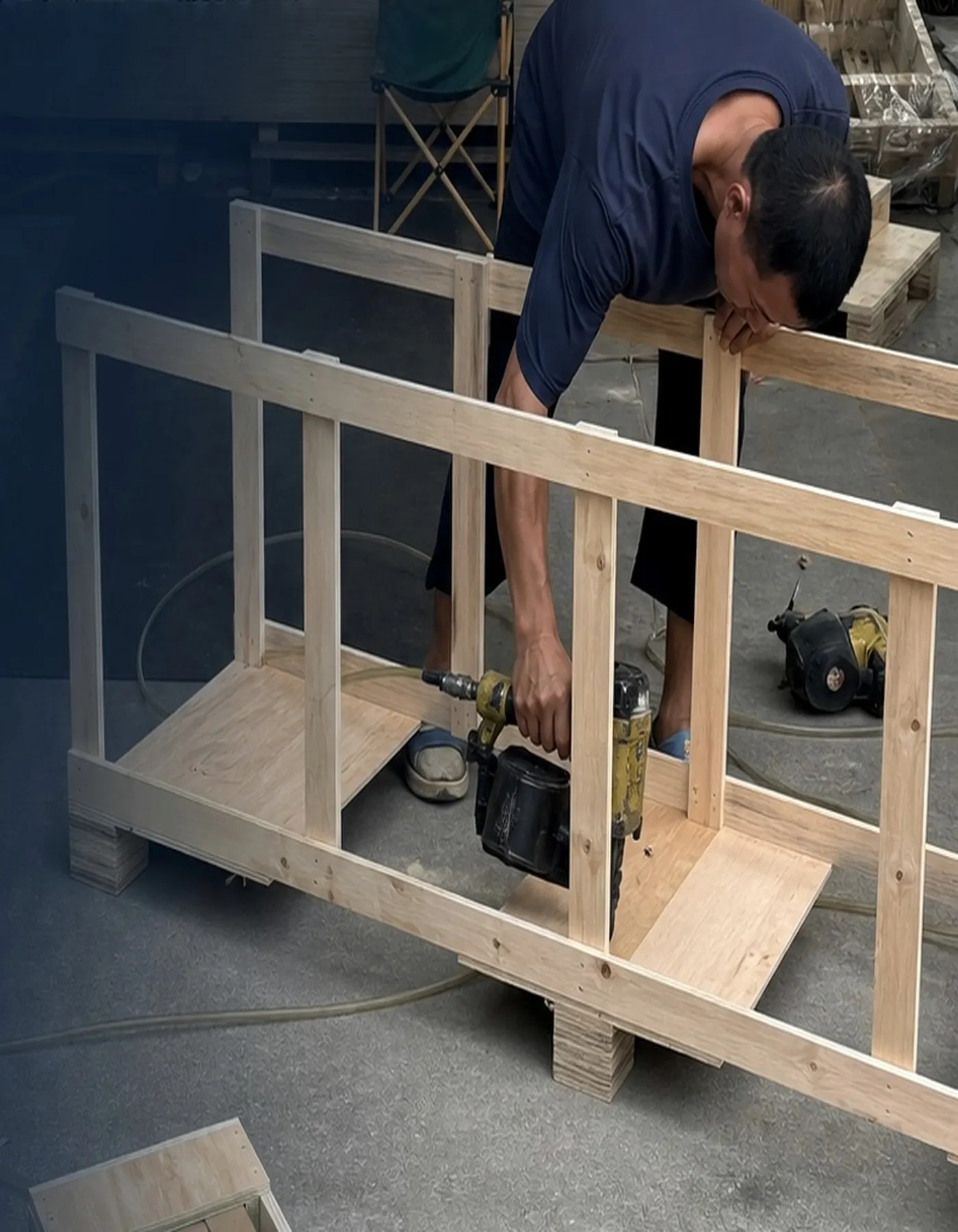
Where needed, HYHF can quote paid wooden frames or crates, internal bracing, moisture protection, edge protection and pallet bases. Packing changes both damage risk and chargeable volume, so it must be decided before the final route price.
What must be confirmed at the destination
The final address affects vehicle size, access, appointment requirements and unloading. A customer-designated factory, warehouse, yard or residence can be used when the delivery vehicle can safely and legally reach the point.
The customer normally arranges the forklift, crane, pallet jack, labor or other equipment needed to remove cargo from the vehicle. Inside carrying, upper-floor movement and installation are outside the standard transport scope unless separately confirmed.
Send a product schedule, not only a total weight
A useful first brief lists each product type, quantity, material, packed size and weight per piece, supplier city, ready date and destination postcode. Photos or drawings help identify fragile surfaces, long spans and handling points.
For mixed suppliers, include each pickup address. HYHF can then decide whether direct collection, consolidation or staged warehouse receiving is the practical starting point.
Frequently asked questions
Can HYHF consolidate building materials from several factories?
Yes. Consolidation can be planned after the supplier addresses, ready dates, quantities and warehouse receiving requirements are known.
Can glass or fragile building products be shipped?
They can be reviewed, but acceptance and route choice depend on the exact product, packing, dimensions, declared value and handling plan. Photos and material details are required.
Does HYHF install building materials after delivery?
No. HYHF arranges logistics. Unloading, inside movement and installation are not part of the standard transport scope unless a separate written service is confirmed.
What is the minimum shipment?
The current starting point is 30 kg total, subject to cargo acceptance and route availability.